Entry · Ref W4G8CPHI
How to Involve Your Elderly Parent in Choosing an Assisted Living Home
- Posted
- 2026-11-24
- Last amended
- 2026-11-24
- Account
- @andresikiq677
Business Name: BeeHive Homes of Albuquerque West
Address: 6000 Whiteman Dr NW, Albuquerque, NM 87120
Phone: (505) 302-1919
BeeHive Homes of Albuquerque West
At BeeHive Homes of Albuquerque West, New Mexico, we provide exceptional assisted living in a warm, home-like environment. Residents enjoy private, spacious rooms with ADA-approved bathrooms, delicious home-cooked meals served three times daily, and the benefits of a small, close-knit community. Our compassionate staff offers personalized care and assistance with daily activities, always prioritizing dignity and well-being. With engaging activities that promote health and happiness, BeeHive Homes creates a place where residents truly feel at home. Schedule a tour today and experience the difference.
6000 Whiteman Dr NW, Albuquerque, NM 87120
Business Hours
The choice to move a parent into assisted living is seldom simple. Families tend to get to it after a fall, a health center stay, growing caregiver burnout, or a sneaking sense that something is no longer safe in your home. By the time the conversation begins, emotions are currently high.
What frequently gets lost in the seriousness is the individual at the center of it all. Your parent is not a project to be managed. They are the one whose life will change the most, and their experience of the process will form how well they adjust.
Involving your parent attentively is not just kind. It is practical. People who feel heard and appreciated tend to adapt better, stay engaged longer, and accept help more voluntarily. I have actually seen the opposite too: families that make every decision for their parent, hurry the move, then spend months trying to repair the damage to trust.
This guide focuses on how to bring your parent into the process in a manner that secures their dignity while still attending to real safety and care needs.
Why your parent's involvement matters
When older adults feel stripped of control, you often see more resistance, anxiety, or withdrawal. I have actually enjoyed capable parents end up being suddenly "difficult" when every choice is made around them instead of with them. The habits is normally a protest, not a character change.
There are several tangible reasons to include them:
They understand their own priorities more plainly than anybody else. You might focus on medical assistance and fall prevention. They may care more about being near pals, having space for their piano, or being able to being in a garden every day. A "best" assisted living apartment or condo that overlooks those priorities can still seem like a prison.
They notice fit and chemistry that households miss out on. Staff can look excellent on paper and sound reassuring on tours. Your parent is the one who should live there. I have seen senior citizens get rapidly on whether homeowners appear truly engaged or simply parked in front of a television. Their instinct about whether a place feels warm or transactional is worthy of weight.
They are more likely to accept care afterward. When someone participates in the search, picks their space, and satisfies staff ahead of time, the move feels less like exile and more like a prepared shift. That alone can soften the psychological landing.
Finally, including your parent is essentially about respect. Even when cognitive decline is present, there are typically significant ways to invite choices within safe limits. You are not only picking a senior care setting, you are modeling how your household deals with vulnerability.
Starting before you "have" to
The most effective relocations into assisted living typically started as conversations years previously, not frenzied decisions after a crisis.
Ideally, you raise the topic while your parent is still relatively independent. You might say, "If there comes a time when home is not the most safe option, what kinds of places would you think about? What would matter most to you?" The objective is not to encourage them to move instantly, but to plant the idea that this is a shared job which they have a voice.
When families delay the conversation till after a fall or health center stay, 2 issues appear simultaneously. Feelings run hot, and alternatives narrow. Rehab timelines, discharge pressures, and insurance coverage limitations might press you to select rapidly. Under that stress, it is simple to default to "we simply need to choose for them."
If you are currently in crisis, you can not relax time, however you can still slow the emotional temperature. Acknowledge aloud that the scenario is urgent, yet you still want them included. Even basic gestures, like sitting together with a printed list of nearby communities and circling a couple of they would be willing to visit, can restore some sense of control.
Naming the emotions in the room
I have hardly ever met an older adult who is neutral about moving into assisted living. Typical emotions consist of fear, sorrow, pity, anger, and in some cases relief that somebody lastly observed how hard things have actually become.
Adult children bring their own load: guilt, stress and anxiety, bitterness from years of caregiving, or unresolved family history. If nobody names these feelings, they leakage into the process as fights over details.
You do not need a household therapist to address this, though one can definitely assist. What you do require are a couple of truthful declarations that make it more secure for your parent to speak.
You may say:
"I feel torn. I desire you safe, however I likewise do not want you to feel pushed. Can we speak about both parts?"
Or, "I imagine this may feel like losing your independence. What worries you most about that?"
You are not promising to repair every feeling. You are indicating that their feelings are valid, not obstacles to steamroll.
Avoid framing assisted living as penalty or as proof that they "can't manage." Instead, talk in regards to altering needs, energy, and safety. Many older adults can accept that bodies and stamina modification in time. They bristle at the idea that they are being dealt with like children.
Clarifying requirements before you visit any community
One common error is exploring communities without a clear sense of what your parent in fact requires, both medically and emotionally. You end up impressed by the chandelier in the lobby and forget to ask whether anybody will help your dad to the bathroom at night.
Before you book tours, sit with your parent and sketch 3 overlapping images: everyday function, health and wellness, and quality of life.
Daily function consists of concrete tasks such as bathing, dressing, toileting, meal preparation, movement, and medication management. Where do they reliably manage alone, and where do they struggle or avoid?
Health and security consists of diagnoses, fall history, roaming danger, incontinence, discomfort problems, and cognitive status. A cardiology patient who tires easily has different requirements from someone with Parkinson's disease or early dementia.
Quality of life is typically the most overlooked. Ask what they delight in now. Checking out. Church. Card video games. Seeing birds. Chatting in the corridor. Going out to lunch. Also ask what they miss doing but could potentially resume with more assistance. A great assisted living neighborhood can support physical security and still starve the soul if it does not align with their interests.
Raise respite care alternatives too. For numerous families, arranging a brief remain in assisted living as respite care can be a low danger method to "try out" a community. Your parent might agree quicker to "a month while I recover from this surgical treatment" than to a long-term relocation. That experience can minimize worry and assist them make a more educated long term choice.
Choosing language that protects dignity
Words form how your parent experiences this shift. I have seen resistance soften merely from altering a couple of phrases.
Comparing two methods reveals the difference:
"We can't leave you alone anymore, it isn't safe" typically lands as criticism, implying incompetence.
"We are fretted about you being on your own if something occurs, and we want a plan that keeps you safe without you feeling trapped" acknowledges concern without eliminating their agency.
Avoid language that frames assisted living as "a home" in opposition to their existing home. Lots of residents prefer to think about it as "my apartment or condo" or "my location" within a senior care neighborhood. Ask your parent what words feel appropriate to them and try to stick with those.
When talking about choices, expression it as a joint search. "Let's look at a few places and see if any feel best to you" is extremely various from "We have actually found a location for you."
Planning visits together
Tours are where numerous older grownups either begin to accept the concept, or closed down totally. How you involve them here matters.
Before you start checking out, agree on the role your parent wishes to play. Some more than happy to walk through every structure, ask concerns, and compare notes. Others feel easily overwhelmed and prefer much shorter visits, or to see just a number of leading contenders.
A short shared list can make senior care beehivehomes.com visits feel more structured rather than like aimless wanderings through shiny halls.
List 1: Simple things to try to find on each visit
- Do locals seem engaged, or primarily sitting alone or in front of a screen?
- Are staff interacting with locals by name and with patience?
- Are hallways, restrooms, and common areas clean however also resided in, not just staged?
- Can your parent picture themselves actually spending time in the shared spaces?
- How does your parent feel leaving the structure: lighter, heavier, or indifferent?
Encourage your parent to speak about sensations as much as facts. I have had locals state things like, "Individuals appeared good but it seemed like a hotel, not my life," or, "It was smaller, and that made me feel less lost."
After each visit, debrief while it is fresh. Have your parent rank the location informally: "never," "possibly," or "I might see this." Regard the "never ever" unless there is an extremely strong safety or monetary factor not to. Bypassing a clear "never" communicates that their impressions are disposable.
Understanding levels of care and what they suggest for autonomy
Assisted living, memory care, competent nursing, and independent living frequently get thrown around interchangeably in casual conversation, but they stand out layers within the senior care spectrum.
For lots of older adults, assisted living inhabits a happy medium. It provides assist with daily activities, meals, 24 hr staff, and typically medication support, without the more medicalized setting of a nursing home. Within assisted living itself, there is usually a series of assistance, from light assistance to nearly full hands on care.
Discuss with your parent just how much help they want to accept, both now and as needs modification. Some prefer a location that can increase care levels in time so they do not have to move once again. Others prioritize smaller, more homelike settings, even if that indicates a future move if health changes.
Respite care becomes crucial here too. Short-term remains in a neighborhood that also uses irreversible assisted living can work as a bridge after a hospitalization, or as a test of whether the environment fits their style. Your parent's reaction to a respite stay is valuable information: did they feel lonesome, supported, bored, or happily relieved?
Inviting your parent into the practical questions
Families typically assume they need to deal with the "difficult" information such as contracts, costs, and care strategies independently. While monetary specifics may not constantly be suitable to talk about in depth, there are many practical decisions where your parent's voice is crucial.
Tour staff will explain care bundles, medication policies, checking out hours, transportation, and meal strategies. Rather of quietly absorbing the information, turn to your parent and ask, "How would that work for you?" or "Does that schedule fit how you like to live?"
Ask what trade offs they want to make. A community better to family may have fewer amenities. One with a stunning health club may have less faith based services or weaker transportation options. Some elders would happily quit a movie theater for a more powerful rehabilitation program or better food. Others are willing to commute farther for the right social environment.
Involving them in these trade offs reinforces that this is their life, not just your logistical challenge.
Watching for red flags together
A glossy sales brochure can hide a lot. Welcoming your parent to notice warnings teaches them to promote on their own, even after you have actually gone home.
List 2: Red flags your parent and you can see for
- Staff who rush, avoid eye contact, or appear irritated by homeowners' questions.
- Residents who look consistently unkempt, not just delicately dressed.
- Strong smells of urine or heavy cleaning chemicals in numerous areas.
- Activities posted on a calendar however not in fact occurring when you visit.
- Defensive or unclear responses when you ask about personnel turnover, training, or occurrence response.
Encourage your parent to ask a minimum of one question on every tour. It might be easy, such as, "What is breakfast like here?" or "Can I bring my own chair?" The way personnel react to their concerns is typically more telling than the content of the answer.
If your parent uses a walker or wheelchair, notice how spaces feel for them in genuine usage, not simply theoretically. Enjoy their body language. Do they appear tense on ramps, puzzled by design, hesitant in congested hallways?
When your parent says "I am not prepared"
Resistance to assisted living frequently seems like stubbornness however is typically layered.
Sometimes, "I am not ready" indicates "I hesitate I will be forgotten when I move." Other times it suggests "I do not see myself as that old yet" or "I do not wish to spend money on myself."
Ask open, curiosity based questions. "What would require to be real for this to feel like the right time, or a minimum of not the wrong one?" or "What stresses you most about moving? What concerns you most about staying?"
Share your own observations without exaggeration. "In the previous 6 months, you have actually fallen two times and ended up in the emergency room. That makes me frightened. I would like to find a way for you to feel more secure without losing what matters to you."
There will be cases where health and safety requirements are so urgent that waiting is not an option. When that takes place, stay honest. "If it were only about choice, I would desire you to decide completely by yourself schedule. Right now the healthcare facility is informing us that going home alone would be risky, so we need to discover something that works, and I want as much of your input as we can collect."
That difference between preference and security aspects their autonomy while being clear about reality.
When cognitive decline makes complex choice
If your parent has substantial dementia, significant participation looks various, however it is not absent.
People with moderate dementia might not understand contracts or long term financial implications, but they can typically still show comfort or pain, like or dislike, and immediate choices. In those cases, families can narrow alternatives ahead of time using unbiased criteria, then involve the parent in choosing among a few that all fulfill security and care needs.
Focus their involvement on what impacts day-to-day experience: space layout, familiar furnishings, which quilt comes, whether the window deals with trees or a parking lot, whether they prefer a quieter corridor or a busier one.
Use recognition instead of argument when they reveal fear or confusion. If they say, "I wish to go home," and home is no longer safe, you do not need to oppose the feeling to preserve the choice. You can say, "You miss your home. You spent lots of great years there. Let us make this space feel as just like you as we can."
Check whether the community has strong memory care support, qualified staff, and flexible routines. An individual with dementia might not articulate these needs clearly, however you will see the results later in their behavior and comfort.
Managing siblings and household dynamics
One silent challenge to including your parent meaningfully is dispute amongst adult children. If siblings argue in front of a parent about assisted living, the parent typically retreats or lines up with whichever child appears most protective, not necessarily the one with the most realistic plan.
Try to line up with brother or sisters beforehand, at least on basics: safety limits, monetary limits, and rough timelines. Present a primarily united front that still leaves room for your parent's input. If full contract is difficult, a minimum of consent to keep the fiercest disputes away from your parent's earshot.
Include your parent in family meetings when decisions directly form their life, such as picking a specific community or choosing whether to try respite care first. When debates are about behind the scenes logistics, such as who handles the documents, safeguard them from the noise.
Transparency helps. Inform your parent who holds power of attorney, who is signing agreements, and how costs will be paid. Even if they are no longer managing these tasks, knowing the plan can minimize anxiety.
Making the space "theirs"
Once you have picked a community together, the next step is turning a void into something recognizable. The more involved your parent remains in this, the simpler the emotional transition tends to be.
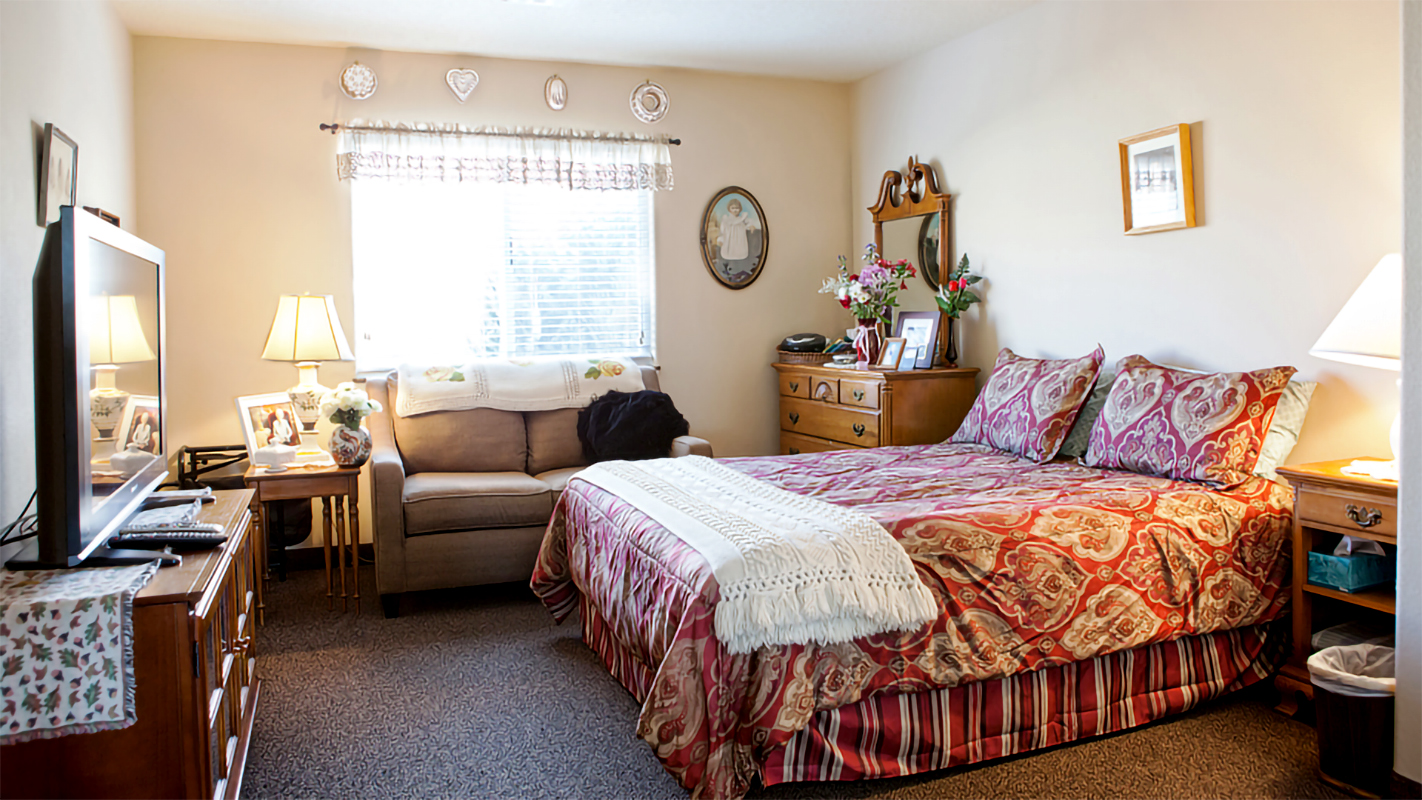
Walk through their current home together and ask what products feel like anchors. For some it is a specific armchair, a bedside lamp, framed family pictures, or a preferred set of meals. For others, it might be spiritual things, a sewing basket, or a stack of gardening magazines.
Invite them to assist choose where those items go in the brand-new room. Basic concerns such as "Which wall should your photos go on?" or "Do you desire your chair by the window or by the door?" provide back small but meaningful control.
If possible, established the space totally before they get here for move in. Strolling into a place that currently looks familiar, with their quilt on the bed and books on the rack, feels different from going into a bare system. It communicates, "You live here," rather of, "You are being put here."
Encourage the personnel to call them by their preferred name from day one. Share a brief "about me" sheet with their background, pastimes, former profession, and daily regimens. This helps staff associate with them as an individual, not a medical diagnosis, and it constructs continuity from their previous life.
Staying included after the move
Involvement does not end on move in day. In truth, the weeks that follow are typically the hardest. Even when a parent has belonged to every decision, the first nights in a new place can feel disorienting and lonely.
Visit, call, or video chat frequently at first, according to what your parent chooses. Some like the security of everyday calls. Others feel more settled with a foreseeable pattern, such as visits every Sunday and Wednesday. Ask what would assist them feel connected without being smothered.
Invite their opinions about how the care strategy is working. "How are you agreeing the personnel?" "Are you getting to meals on time?" "Exists anything you do not like that we should talk to them about?" Treat these regular check ins as a continuation of the shared decision making procedure, not a postscript.
If concerns develop, include your parent in resolving them. Instead of calling the director behind their back, say, "You discussed that the nighttime personnel are slow to address your bell. Would you like me to come to a care conference with you and bring that up?" Even if they choose that you handle it alone, the act of asking aspects their ownership.
As time goes on and needs increase, circle back to them before major modifications, such as moving from assisted living to an advanced level of elderly care or memory care. Even if the choice feels medically clear, you can still state, "Your health has altered and the nurses believe you would be much safer with more assistance. Let us look at what that would resemble and decide together how to do this as gently as possible."
The heart of the matter
Choosing assisted living is not practically buildings, floor plans, or care bundles. It has to do with identity, history, security, cash, and love, all twisted together.
Involving your parent throughout the process implies accepting some additional intricacy. It might take longer. You may tour more communities. You might listen to more fears. Yet you are also constructing a bridge of trust that will support both of you in the years ahead.
Assisted living, respite care, and other senior care choices can be terrific tools. They are not, on their own, an assurance of dignity. Dignity originates from how choices are made, how voices are heard, and how households show up for one another when life ends up being fragile.
If you keep that frame in mind, the useful actions of searching, checking out, and selecting start to feel less like a series of battles and more like a shared task: finding a location where your parent can be cared for without being erased.
BeeHive Homes of Albuquerque West provides assisted living care
BeeHive Homes of Albuquerque West provides memory care services
BeeHive Homes of Albuquerque West provides respite care services
BeeHive Homes of Albuquerque West offers support from professional caregivers
BeeHive Homes of Albuquerque West offers private bedrooms with private bathrooms
BeeHive Homes of Albuquerque West provides medication monitoring and documentation
BeeHive Homes of Albuquerque West serves dietitian-approved meals
BeeHive Homes of Albuquerque West provides housekeeping services
BeeHive Homes of Albuquerque West provides laundry services
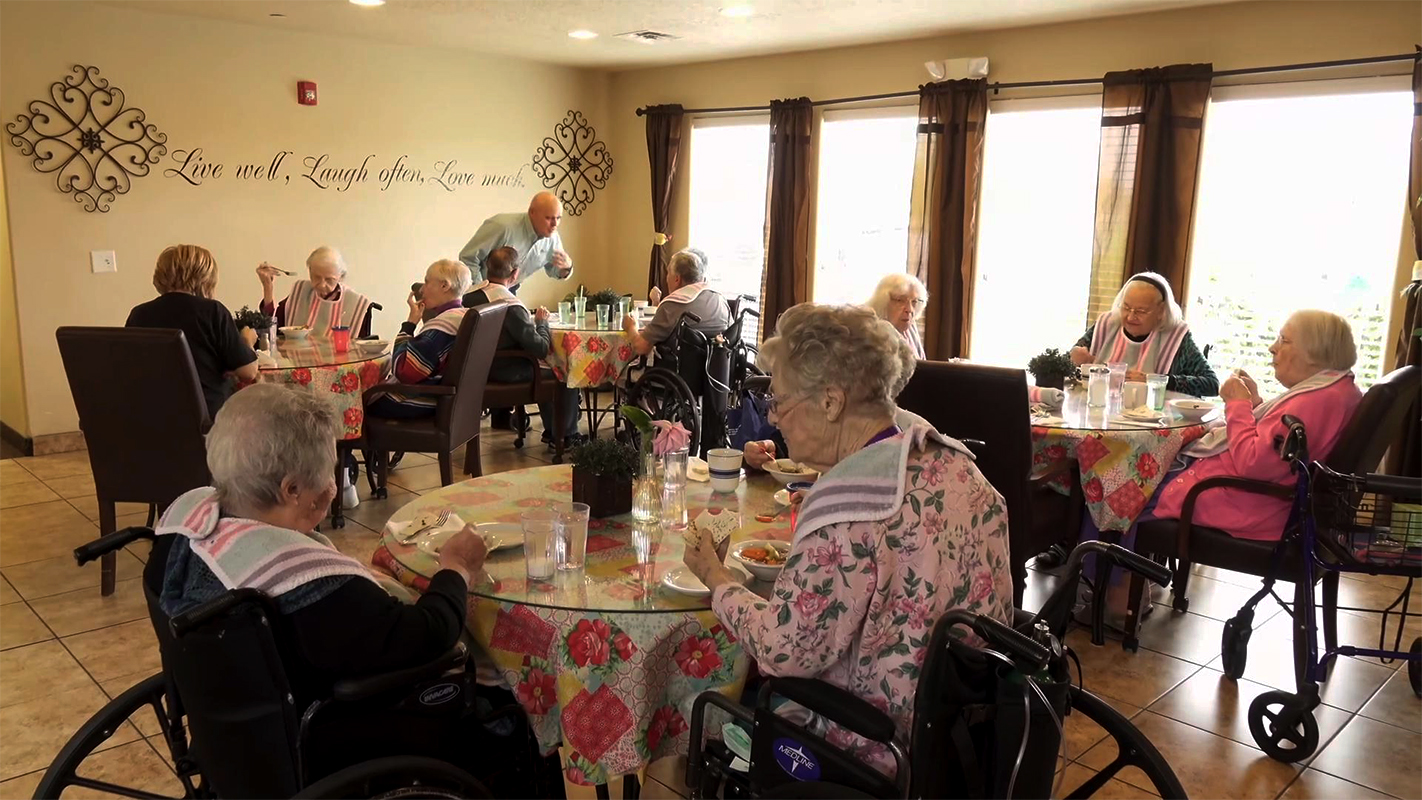
BeeHive Homes of Albuquerque West offers community dining and social engagement activities
BeeHive Homes of Albuquerque West features life enrichment activities
BeeHive Homes of Albuquerque West supports personal care assistance during meals and daily routines
BeeHive Homes of Albuquerque West promotes frequent physical and mental exercise opportunities
BeeHive Homes of Albuquerque West provides a home-like residential environment
BeeHive Homes of Albuquerque West creates customized care plans as residents’ needs change
BeeHive Homes of Albuquerque West assesses individual resident care needs
BeeHive Homes of Albuquerque West accepts private pay and long-term care insurance
BeeHive Homes of Albuquerque West assists qualified veterans with Aid and Attendance benefits
BeeHive Homes of Albuquerque West encourages meaningful resident-to-staff relationships
BeeHive Homes of Albuquerque West delivers compassionate, attentive senior care focused on dignity and comfort
BeeHive Homes of Albuquerque West has a phone number of (505) 302-1919
BeeHive Homes of Albuquerque West has an address of 6000 Whiteman Dr NW, Albuquerque, NM 87120
BeeHive Homes of Albuquerque West has a website https://beehivehomes.com/locations/albuquerque-west/
BeeHive Homes of Albuquerque West has Google Maps listing https://maps.app.goo.gl/R1bEL8jYMtgheUH96
BeeHive Homes of Albuquerque West has Facebook page https://www.facebook.com/BeehiveABQW/
BeeHive Homes of Albuquerque West won Top Assisted Living Homes 2025
BeeHive Homes of Albuquerque West earned Best Customer Service Award 2024
BeeHive Homes of Albuquerque West placed 1st for Senior Living Communities 2025
People Also Ask about BeeHive Homes of Albuquerque West
What is BeeHive Homes of Albuquerque West monthly room rate?
Our base rate is $6,900 per month, but the rate each resident pays depends on the level of care that is needed. We do an initial evaluation for each potential resident to determine the level of care needed. The monthly rate is based on this evaluation. We also charge a one-time community fee of $2,000.
Can residents stay in BeeHive Homes of Albuquerque West until the end of their life?
Usually yes. There are exceptions, such as when there are safety issues with the resident, or they need 24 hour skilled nursing services.
Does Medicare or Medicaid pay for a stay at Bee Hive Homes?
Medicare pays for hospital and nursing home stays, but does not pay for assisted living as a covered benefit. Some assisted living facilities are Medicaid providers but we are not. We do accept private pay, long-term care insurance, and we can assist qualified Veterans with approval for the Aid and Attendance program.
Do we have a nurse on staff?
We do have a nurse on contract who is available as a resource to our staff but our residents' needs do not require a nurse on-site. We always have trained caregivers in the home and awake around the clock.
Do we allow pets at Bee Hive?
Yes, we allow small pets as long as the resident is able to care for them. State regulations require that we have evidence of current immunizations for any required shots.
Do we have a pharmacy that fills prescriptions?
We do have a relationship with an excellent pharmacy that is able to deliver to us and packages most medications in punch-cards, which improves storage and safety. We can work with any pharmacy you choose but do highly recommend our institutional pharmacy partner.
Do we offer medication administration?
Our caregivers are trained in assisting with medication administration. They assist the residents in getting the right medications at the right times, and we store all medications securely. In some situations we can assist a diabetic resident to self-administer insulin injections. We also have the services of a pharmacist for regular medication reviews to ensure our residents are getting the most appropriate medications for their needs.
Where is BeeHive Homes of Albuquerque West located?
BeeHive Homes of Albuquerque West is conveniently located at 6000 Whiteman Dr NW, Albuquerque, NM 87120. You can easily find directions on Google Maps or call at (505) 302-1919 Monday through Sunday 10am to 7pm
How can I contact BeeHive Homes of Albuquerque West?
You can contact BeeHive Homes of Albuquerque West by phone at: (505) 302-1919, visit their website at https://beehivehomes.com/locations/albuquerque-west, or connect on social media via Facebook
Conveniently located near Beehive Homes of Albuquerque West, Flix Brewhouse Albuquerque Coors offers a unique movie-theater experience that can be enjoyed as a special outing for residents in assisted living, memory care, senior care, and elderly care, giving families and caregivers an engaging option for classic or accessible films.